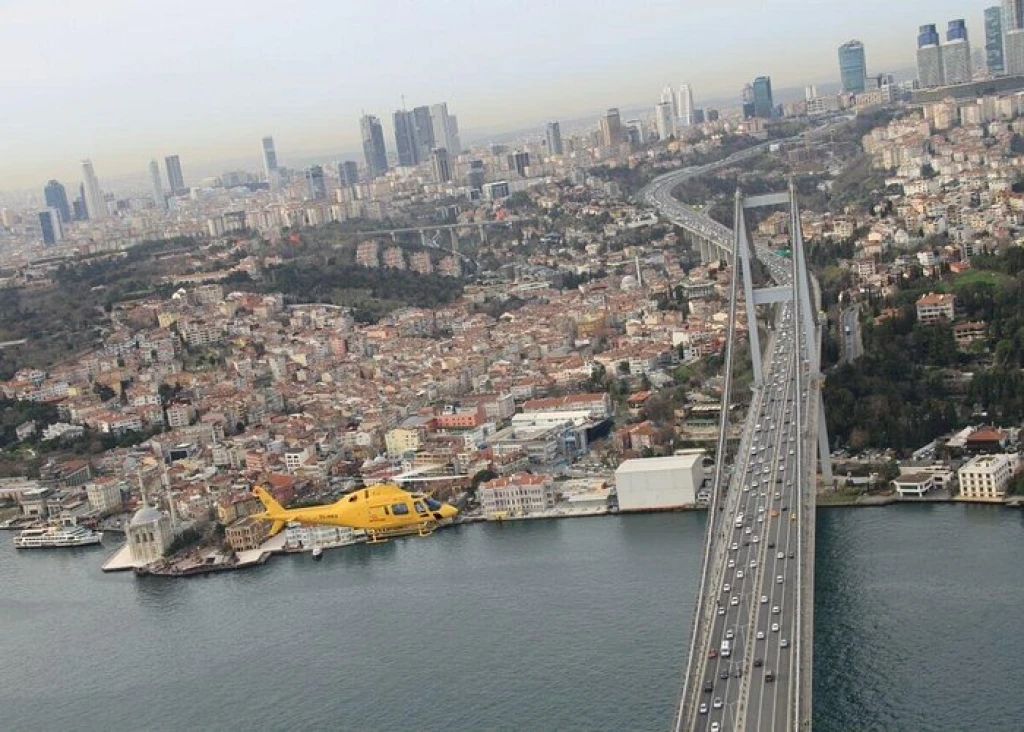
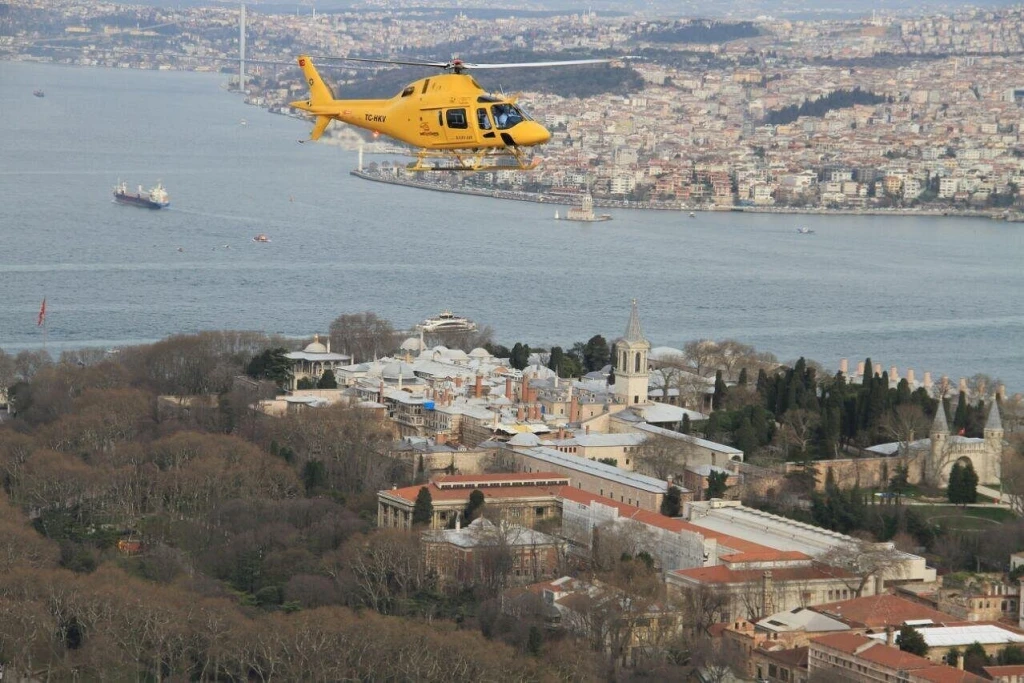
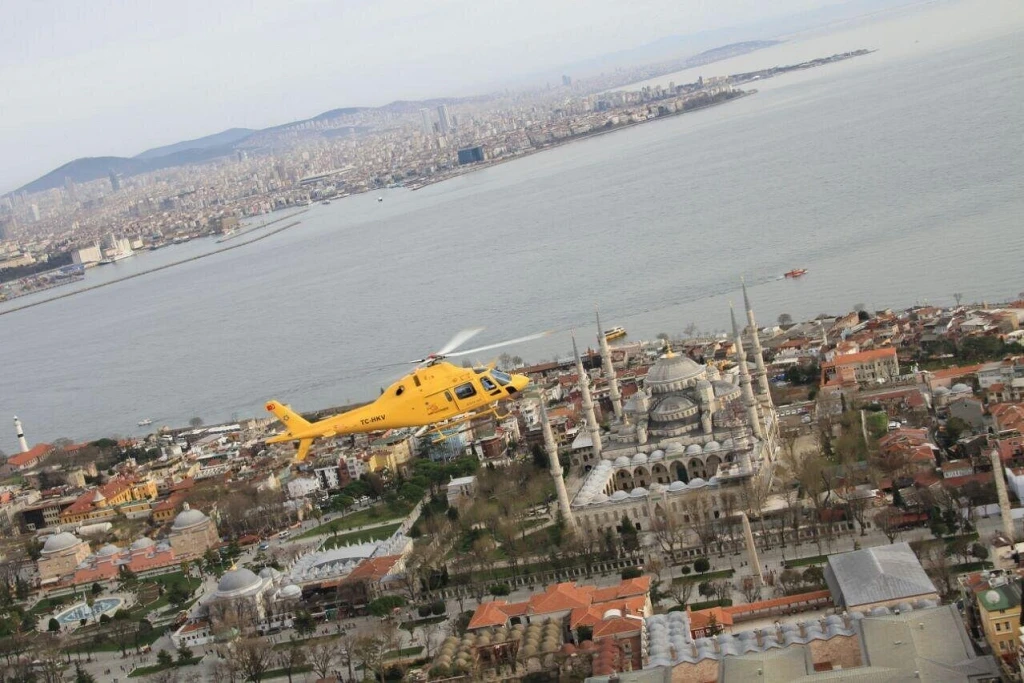
Flight duration and route details, including key landmarks you will see, may vary based on weather and air traffic conditions: The exact length of your helicopter flight and the specific path flown are often adjusted in real time for safety, depending on wind, visibility, and airport or heliport traffic. This means the pilot may alter the route, skip or add certain landmarks, or slightly shorten or extend the flight to comply with aviation rules and maintain safe flying conditions.
Weight limits, seating arrangements, and any extra fees for exceeding standard weight restrictions will apply and should be confirmed in advance: Helicopters have strict total and per-seat weight limits for safe operation, so each guest may be weighed and assigned a specific seat to balance the aircraft. If your weight exceeds the standard allowance, the operator may charge an additional fee or require the purchase of an extra seat, so it is important to ask about these policies before booking.
Photo ID and check-in time requirements are strict, so arrive early to complete safety briefing and boarding procedures: Most operators require a valid government-issued photo ID for all adult passengers, both for security and regulatory compliance. You will also need extra time before departure for check-in, safety instructions, and boarding, so arriving early helps prevent delays and reduces the risk of missing your flight.
Weather conditions can cause delays, rescheduling, or cancellation, and you should understand the operator’s refund and rebooking policy: Helicopter tours cannot operate in certain weather, such as heavy rain, low visibility, or strong winds, so flights may be postponed, rescheduled, or canceled at short notice. Before you book, review the company’s terms to know if you are entitled to a refund, credit, or free rebooking in case of weather-related disruptions.
There may be restrictions on bags, cameras, and loose items in the cabin, and secure storage might be provided on the ground: For safety reasons and to prevent items from interfering with controls or exiting the aircraft, many operators limit what you can bring onboard, especially large bags, hats, and unsecured objects. Often, they provide lockers or supervised storage on the ground so that your belongings are kept safe while you are in the air.
Valid government-issued photo ID
Comfortable layered clothing and closed-toe shoes
Sunglasses with a secure strap
Camera or smartphone with extra storage
Tight-fitting hat or cap (if allowed by operator)
Motion sickness remedies if prone to nausea